In short
- Dry seasons (Jul-Oct, Jan-Feb) provide the best viewing conditions.
- Rising water levels dilute the algae, reducing flamingo numbers.
- Bring binoculars to view the birds from changing shorelines.
In this article
Lake Nakuru National Park is known for the pink flamingos that feed along its alkaline shores. If you want to maximize your chances of seeing them, timing your trip is critical. You also need to understand how recent environmental changes affect the lake.
What is the best time of year to visit Lake Nakuru for flamingos?
The dry months from July to October and January to February are the best times to visit.
During these months, there is less rain. This concentrates the alkalinity of the lake, which boosts the growth of the blue-green algae that flamingos eat. The dry conditions also make it easier to navigate the park tracks and spot other wildlife near the water.
Are there still flamingos at Lake Nakuru?
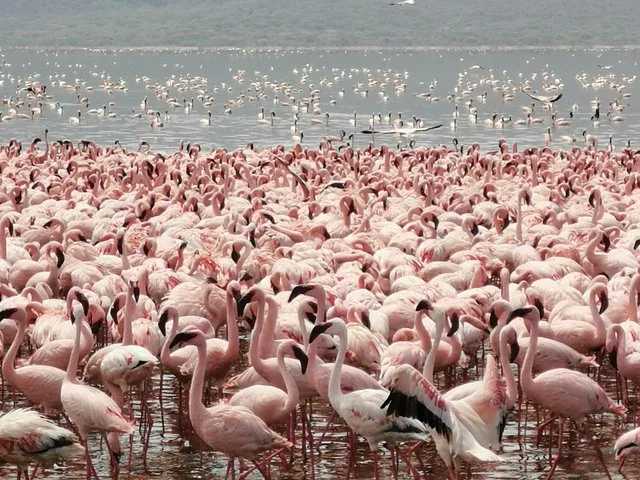
Yes, flamingos still visit the lake, but not always in the massive numbers seen in the past.
The surface area of Lake Nakuru fluctuates significantly between 5 and 45 square kilometers depending on rainfall. When heavy rains raise the water level, the lake becomes less alkaline. This reduces the algae supply, causing many flamingos to move to other Rift Valley lakes.
What time of day should I look for flamingos?
Early mornings or late afternoons offer the best light and bird activity.
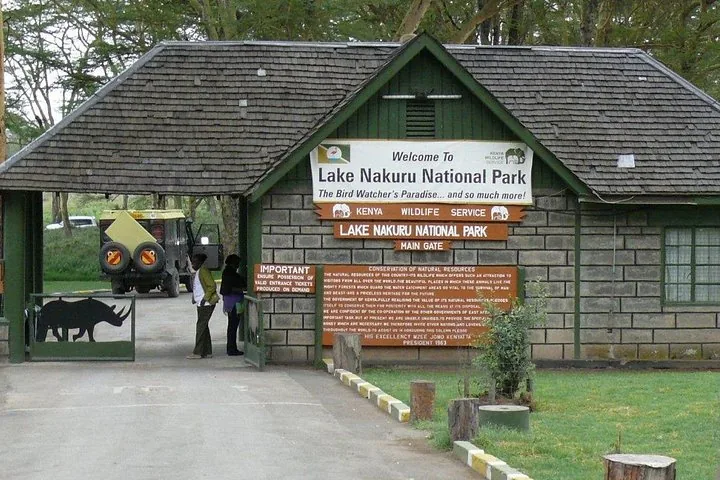
The park gates open daily at 6:00 AM. Arriving early gives you the best chance to see flamingos feeding in calm waters before the day heats up. Since the lake sits at an elevation of 1,754 meters, mornings can be chilly. Wear light layers and bring a warm jacket.
Where are the best viewing spots for flamingos?
The Lake Nakuru Shoreline and elevated viewpoints like Baboon Cliff are the primary viewing areas.
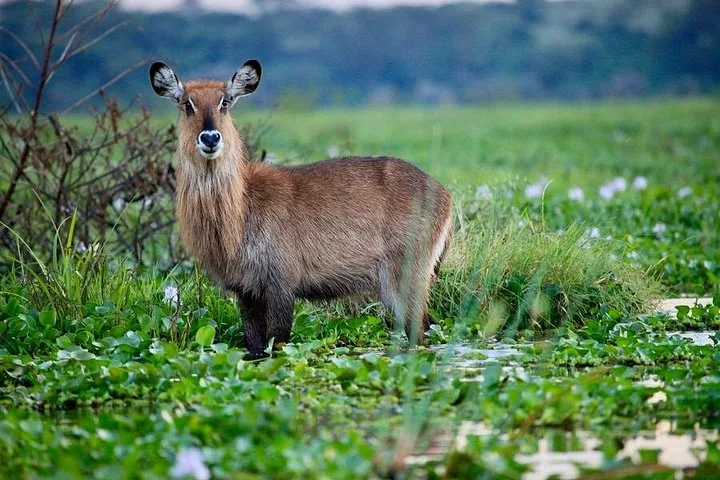
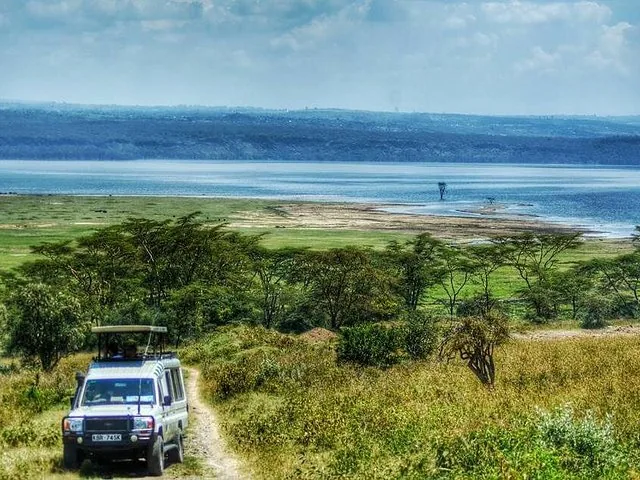
You can drive near the shoreline to see flamingos, pelicans, and waterbucks up close. Remember that walking is not allowed except at designated spots. For a wider view of the flocks and the lake's boundaries, head up to Baboon Cliff or Lion Hill. Bring binoculars to see the birds clearly from a distance.
What wildlife is there if flamingo numbers are low?
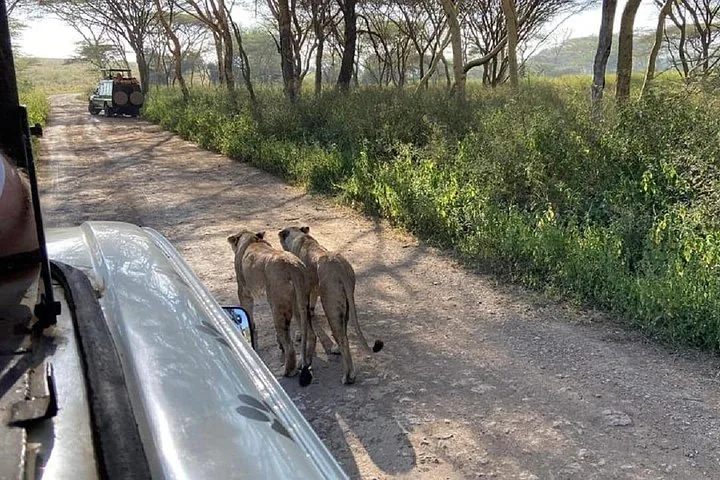
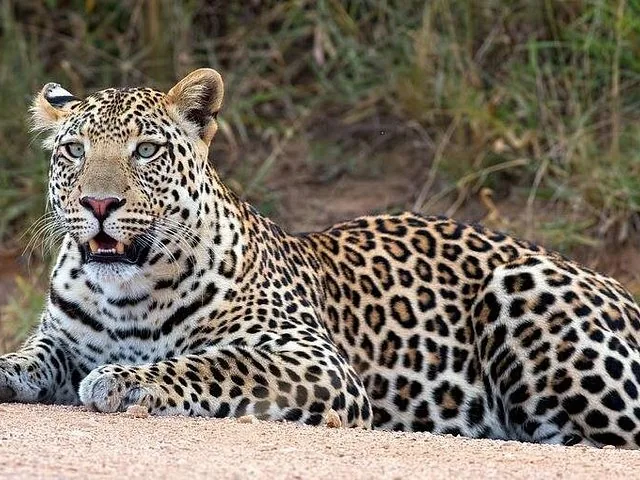
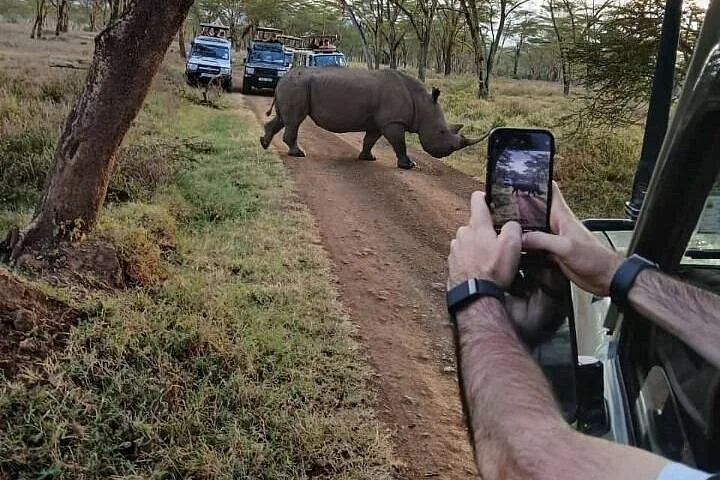
The park is a premier destination for Big Five safaris and heavily protected rhino populations.
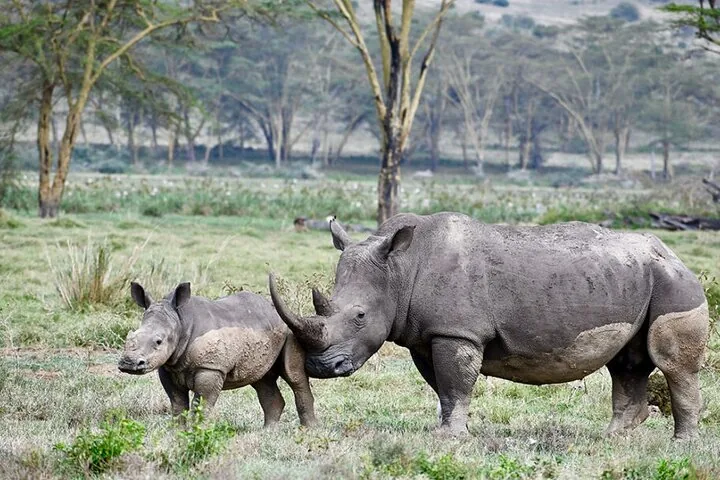
If water levels are high and flamingos are scarce, the park still delivers. It hosts a sanctuary for approximately 150 endangered rhinos. You will likely spot white rhinos grazing on the plains and black rhinos hiding in the brush. The park is also home to over 400 different bird species.
What gear do I need to photograph the flamingos?
You need a telephoto lens and a stable viewing setup from your vehicle.
Because the shoreline fluctuates, the birds might be far from the designated driving tracks. Pack a telephoto lens of at least 200mm to capture details. Off-road driving is strictly forbidden to protect the habitat, so your vehicle must stay on the main paths. Packing Guide
Questions travellers ask
Why did the flamingos leave Lake Nakuru?
Heavy rainfall in recent years increased the lake's water levels, expanding its size up to 45 square kilometers. This diluted the alkaline water and reduced the blue-green algae the flamingos eat, causing them to seek food elsewhere.
Can I walk to the edge of the lake to see flamingos?
No walking is allowed inside the park except at designated picnic sites and viewpoints like Baboon Cliff. You must remain in your vehicle while near the shoreline.
How much is the park entry fee to see the flamingos?
For 2026, Non-Resident adults pay USD 90, and children pay USD 45. Tickets must be purchased in advance via the cashless KWS eCitizen platform.